Brief
Australia's only listed marketplace for trading carbon assets
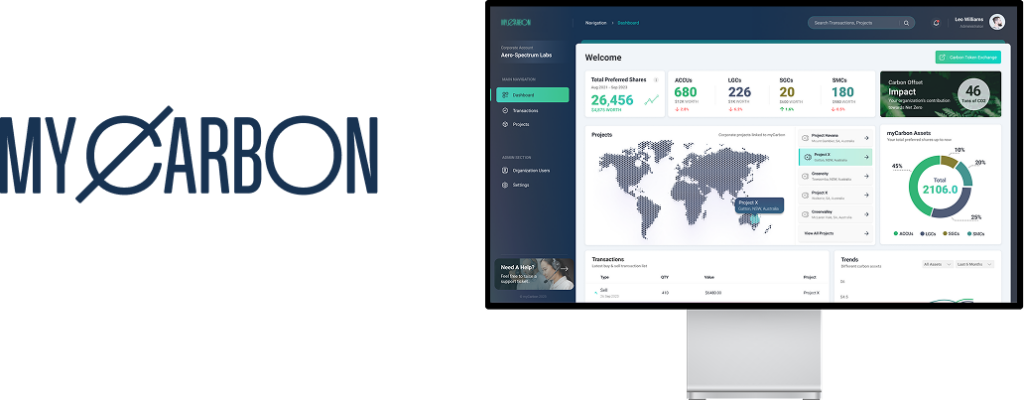
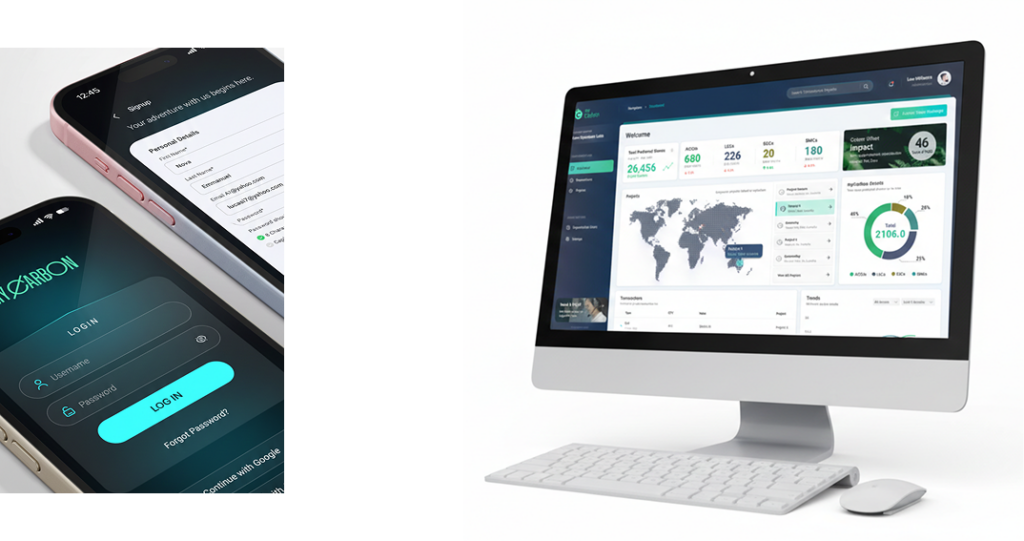
MyCarbon is a pioneering, regulated carbon credit marketplace that empowers businesses and investors to transparently trade and offset carbon assets such as Australian Carbon Credit Units (ACCUs). By combining financial market principles with environmental accountability, the platform makes participation in carbon markets accessible and auditable — helping organisations take meaningful climate action.
My Role & Impact
As Head of UX/UI Engineering at Xigenix, I led the design direction and execution of MyCarbon’s visual and interaction systems. My process began with in-depth market and competitor research to understand the landscape of existing carbon trading and sustainability platforms, identifying gaps and opportunities to deliver a superior product experience.
Building on these insights, I defined the end-to-end user experience from the ground up, simplifying complex financial data, blockchain architecture, and military-grade advanced authorization mechanisms into a seamless, enjoyable journey. I established a coherent visual language and interaction model that caters to both institutional traders and sustainability-focused individuals — ensuring transparency, trust, and performance without compromising regulatory precision or usability.
Tools used
Figma, Adobe Photoshop, Adobe After Effects, Adobe Illustrator, Miro, Lottie, Chatgpt & Leonardo AI
Problem
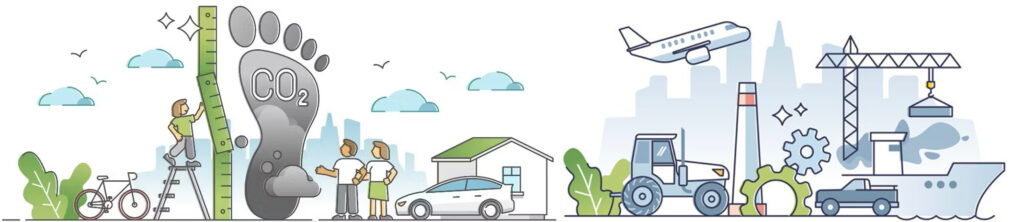
Despite growing global attention to sustainability, carbon trading remained inaccessible to the broader market. Traditional carbon credit systems were designed for large institutions and operated through rigid, complex frameworks that excluded everyday investors and smaller organizations.
There was no direct bridge between regulated carbon assets and mainstream financial markets, leaving individuals and companies without a practical way to participate in offsetting their carbon footprint. The process was fragmented, opaque, and limited to a small group of accredited entities.
MyCarbon set out to solve this by wrapping real carbon assets into tokenized, tradable units, effectively transforming carbon credits into an investable asset class. This innovation opened the door for anyone — from institutional traders to sustainability-minded individuals — to contribute directly to global carbon reduction efforts through a transparent, market-driven approach.
Challenge
The core challenge in designing MyCarbon was to simplify deeply complex technological workflows into a product experience that feels effortless, intuitive, and self-guiding — especially for users with business or investment backgrounds rather than technical expertise.
The platform needed to translate the intricacies of blockchain transactions, carbon asset tokenization, and regulatory processes into a clear, human-centered journey. Users should be able to navigate and trade confidently without explicit guidance or technical understanding, ensuring accessibility without compromising sophistication.
A second major challenge was the integration of military-grade authorization systems into MyCarbon’s transaction portal. This demanded a seamless fusion of high-level security protocols with simple, transparent user flows, so users could complete sensitive operations with ease and confidence.
Achieving this balance — between advanced technology, compliance, and intuitive design — required stripping away unnecessary steps, reducing cognitive load, and designing every interaction to feel purposeful and predictable, even within a highly secure, data-driven ecosystem.
Solution
To tackle the complexity and usability challenges, I started with comprehensive market and user research, analyzing competitors and understanding user needs. The goal was to redefine carbon trading into an intuitive, trustworthy, and accessible platform — while maintaining technical rigor and regulatory compliance.
1. Research & Insights
(Understanding Users, Competitors, Personas & Empathy Maps)
To align the product with real users, I created user personas and empathy maps that captured motivations, pain points, and behaviors: Institutional Traders: Focused on compliance, transaction accuracy, and asset visibility. and Sustainability-Minded Individuals/Businesses: Motivated by environmental impact but unfamiliar with complex financial workflows.
Empathy maps highlighted key frustrations, like confusing blockchain terminology and overwhelming data dashboards, which guided the simplification of workflows.
2. Ideation & Wireframes
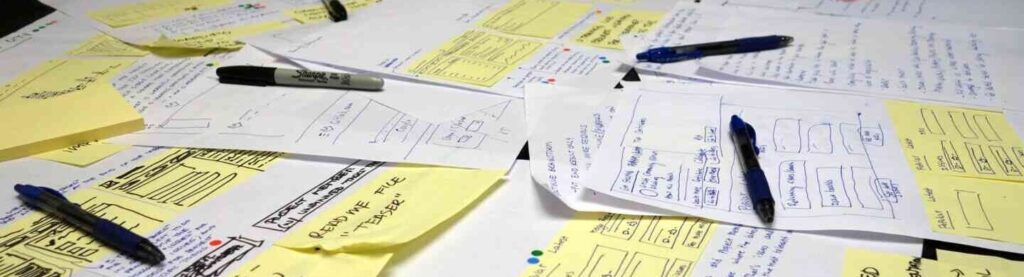
Based on research insights, I sketched low-fidelity wireframes to explore layouts, flows, and interactions. The focus was on:
- Simplifying workflows for users without technical knowledge.
- Ensuring seamless navigation without external guidance.
- Minimizing unnecessary steps and reducing cognitive load.
- Granular level information
3. Information Architecture & Simplified Workflows
I restructured the product’s information hierarchy, condensing multi-step operations into intuitive, self-guided workflows. Each screen was designed to naturally lead to the next, enabling users — even those without technical knowledge — to navigate confidently without tutorials or onboarding prompts, upload asset class certifications without human guidance. Redundant actions and irrelevant data were removed, ensuring clarity, momentum, and self-guidance.
4. Visual Language & Interaction Design
I developed MyCarbon’s design system to balance financial precision with modern aesthetics:
- Clean, dark, and sleek theme for professionalism and a modern feel.
- Modular layouts to support scalability as the platform grows.
- Subtle color psychology to distinguish asset categories and highlight impact metrics.
- Micro-interactions to provide feedback and maintain momentum during transactions handled in background.
5. Secure Authorization Experience
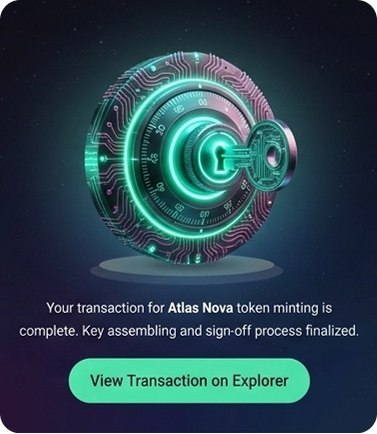
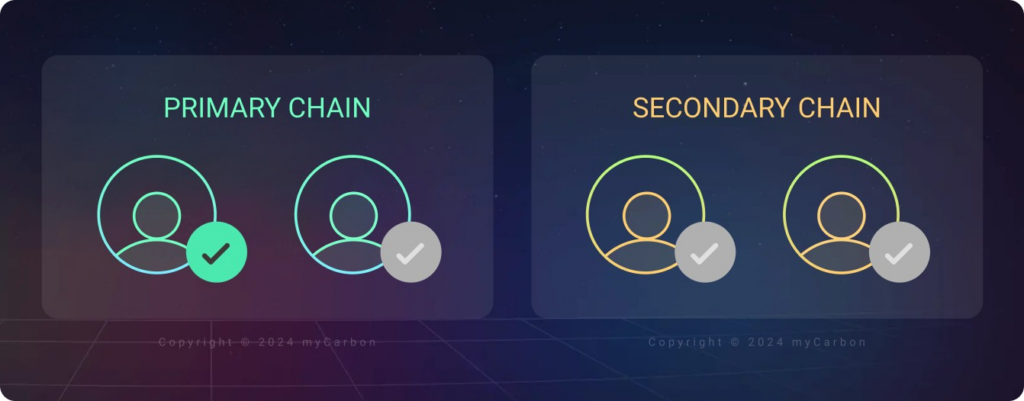
Authorization portal handled separately and we have used military-grade transaction authorization mechanism using Lokblok. I simplified complex security workflows into transparent, human-centered enjoyable interactions. Progressive disclosure and contextual cues allowed users to confidently complete sensitive operations without feeling overwhelmed.
6. Collaboration & Execution
As Head of UX/UI Engineering, I closely collaborated with developers to ensure design fidelity, technical feasibility, and performance optimization. The final product harmonizes advanced technology, regulatory compliance, and effortless usability.
Outcome
The result is a platform that bridges the gap between finance, technology, and sustainability — making carbon offset participation as simple as trading any digital asset. Through thoughtful UX and system design, MyCarbon now empowers anyone — from enterprises to everyday users — to contribute meaningfully to the global carbon economy.